
2021-03-03 22:30
Girls' Day
Automatically translated from Japanese日本語で読む
I’m Shiho Suzuki from Renkano Nagoya
. For those of you meeting me for the first time, nice to meet you!
Thank you for stopping by my blog among so many others out there.
I’m accepting questions and messages via my Q&A box. No
registration is required, and you can send them anonymously.
To everyone else—thank you for always reading my blog. I’m
always happy to receive
likes, follows, comments, messages on LINE, and invitations to go on dates. Please continue to support me.
Good morning.
Hello.
Good evening.
Today was
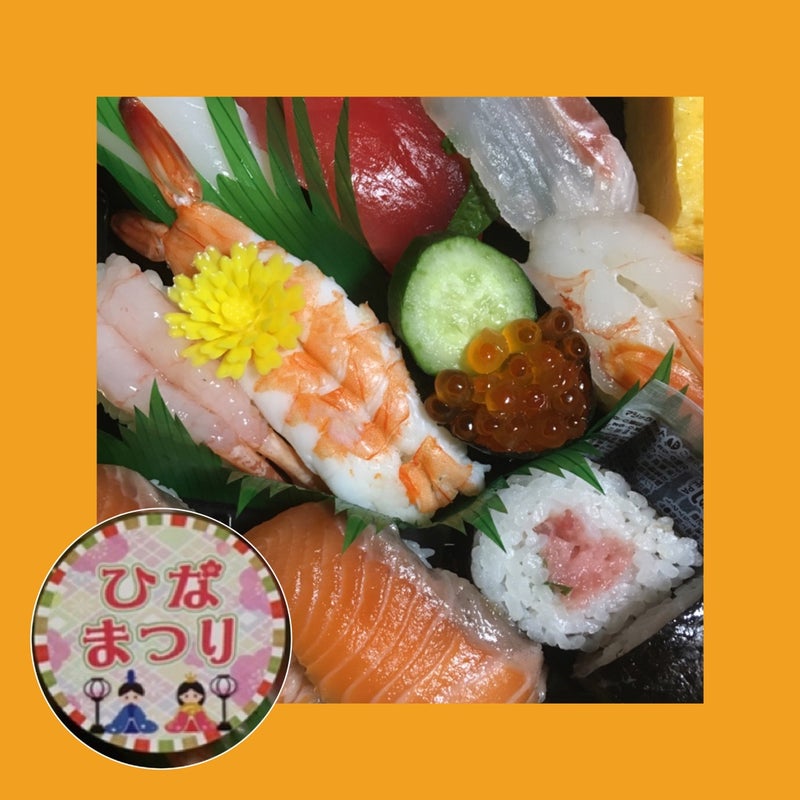
Hinamatsuri, wasn’t it? Did you decorate your home with hina dolls, eat hina arare, or celebrate with the girls?
The Suzuki family hasn’t
put out our hina dolls for several years now. By the way, do you know the origin of Hinamatsuri?
I was a little curious, so I looked it up and found out it’s a tradition that came over from China.
In China, there’s a custom on March 3rd of purifying oneself by the water’s edge to ward off impurities. It’s called the
Shangsi Festival.
This tradition was introduced to Japan, leading to the practice of performing purification rituals on March 3rd.
Although their form differs from today’s, paper dolls (hitogata) appeared during the Nara period, and by the Heian period, the tradition of “nagashi-bina”—where dolls were used to transfer misfortune and then floated down a river—seems to have emerged.
Also during the Heian period, a game called “hinaguri,” similar to playing house, became popular among aristocratic girls.
What set it apart from ordinary make-believe play was that it always involved a pair—a boy and a girl—and was modeled after life at the imperial court. It seems that the institution of
marriage was held in very high regard.
The modern hinamatsuri dolls and the Hinamatsuri
festival 🎎 are a fusion of these three elements: the ritual to ward off misfortune, the “Hina-asobi” game, and the Shangsi Festival. They embody the wish that children may have a happy marriage like that of the Emperor and Empress.
I’ve also read articles suggesting that this tradition may conceal a parent’s hope that their daughter will marry into a wealthy family, just like the Hina dolls.
Whether that’s true or not, there’s even a folk belief that if you don’t put the dolls away promptly after March 3rd, your daughter will be left on the shelf.Just as each dish in the
Osechi ryori has its own meaning and wish, each Hina doll, the colors of the Hina arare rice crackers, and the types of chirashi sushi all carry various meanings.
Explaining all of that would make for an incredibly long blog post, so I’ll skip it for now.
If any of you reading this are curious or want to know more, I might post a summary on my blog at a later date. For dinner
tonight, we had Hina Matsuri-themed sushi that my mom bought 🍣

 メールツイッター
@renkanoshiho
会員の方だけ使えますMEMBERS ONLYあと少し!ALMOST THERE
STEP 1メールEmail
›STEP 24桁の番号Code
›STEP 3プロフィールProfile
登録は無料・3ステップで完了しますFree · 3 easy stepsお名前・生年月日・ご職業を入れると
会員登録が完了して、すぐ使えますFinish your profile to use this.
すでに会員の方も、ここからログインできますAlready a member? Sign in here too.
この記事、いかがでしたか?Did you enjoy this post?
ありがとうございます! / Thank you!
この記事に コメントをくれた方です
この記事に、ひとこと どうぞLeave a comment
0件のコメントまだコメントはありません。
いちばん最初の ひとことを どうぞ。
会員の方・キャストが書けます。
登録は無料・3ステップ(メール › 4桁の番号 › プロフィール)
ありがとうございます!
コメントを出しました。
上に出ています。
最後まで読んでくださって、ありがとうございます。
いきなり予約しなくて大丈夫です。気になることだけ聞いてもかまいません。

鈴木志保★ プレミアムPREMIUM レンカノ名古屋
ブログの一覧を見る ›
お気に入りは会員の方だけ使えますMEMBERS ONLYあと少し!ALMOST THERE
STEP 1メールEmail
›STEP 24桁の番号Code
›STEP 3プロフィールProfile
登録は無料・3ステップで完了しますFree · 3 easy stepsお名前・生年月日・ご職業を入れると
会員登録が完了して、すぐ使えますFinish your profile to use this.
すでに会員の方も、ここからログインできますAlready a member? Sign in here too.
Nice to meet you. My name is Shiho Suzuki.
I plan to write about the little things in everyday life.
If we have anything in common—like shared interests or hobbies—I’d be happy if you’d stop by and take a look.
618投稿
Shiho Suzukiのほかの記事
Artistic Fireworks Festival & Detective C…We're looking for participants for the ca…I met President Tamura again for the firs…"A Different Winter for Us": Online Dates…A Date at the Science Museum for Lunch an…I'm trying my hand at the lottery for the…Our first online date in a long time—sinc…"A Different Winter for Us": Co-op Online…The Renkano website has been redesigned—i…An Afternoon with a Wine Lover and Plenty…
RENT-KANO OFFICIAL
レンカノ 公式サイト
キャストのプロフィール・料金・利用方法
AREA / エリアから探す
東京1SHIBUYA · SHINJUKU東京2SHIBUYA · SHINJUKU関西1OSAKA · KYOTO · KOBE関西2OSAKA · KYOTO · KOBE名古屋NAGOYA · GIFU · MIE福岡HAKATA · TENJIN北陸KANAZAWA · TOYAMA札幌HOKKAIDO仙台TOHOKU静岡MT. FUJI岡山香川KAGAWA · HIROSHIMAMrs.関西KANSAI
English Siteレンカノ英語版›デートを予約するはじめての方も、まずはお試しメールからブログを読んで気になったら、そのまま公式サイトへ
Related posts
An Annual Tradition Before ObonShiho SuzukiI've tried out various relationship quizz…Shiho SuzukiI did it again…Shiho Suzuki 名古屋の新着
Fall Foliage Date 🍁✨Noa AizawaThis is my first time!Yui KusunokiHello! I'm Ko Kitagawa 🎵Kou Kitagawa はじめたばかりのブログ
関西2Nice to meet you! 🎀 I'm Yuno Ichinose ❤️Yuno Ichinose東京2🌸🤍 Let's meet again somewhere! 🤍🌸Haruka Miyashita東京2🌸🤍My boyfriend from California and Sush…Haruka Miyashita静岡Sweet Memories ♡ BakingSeira Kuzyo静岡🍁 I went to Lake Kawaguchi to see the fi…Seira Kuzyo東京2🌸🤍Boyfriends and Girlfriends from Mexic…Haruka Miyashita関西1♡🇳🇵Nepalese Cuisine🇳🇵♡Hina Sato東京2🌸🤍 Chikawa Haneda and Hokkaido Souvenir…Haruka Miyashita名古屋Hello! I'm Ko Kitagawa 🎵Kou Kitagawa名古屋Nice to meet you🩶 I'm Hideka Minase🌸Shuka Minase
鈴木志保★ プレミアムPREMIUM レンカノ名古屋
ブログの一覧を見る ›
Nice to meet you. My name is Shiho Suzuki.
I plan to write about the little things in everyday life.
If we have anything in common—like shared interests or hobbies—I’d be happy if you’d stop by and take a look.
618投稿
2026-11-23 01:00 ・2
Artistic Fireworks Festival & Detective Conan Exhibition in Yokohama

2026-11-24 12:45 ・2
We're looking for participants for the cast meet-and-greet in Nagoya!

2026-11-21 00:30
I met President Tamura again for the first time in about six years!

2026-11-19 13:15
"A Different Winter for Us": Online Dates in Pursuit of a Happy Ending—Part 1

2026-11-17 22:00
A Date at the Science Museum for Lunch and Electricity

2026-11-11 23:45
I'm trying my hand at the lottery for the first time—or almost!

2026-11-14 23:30
Our first online date in a long time—since Obon

2026-11-10 17:30
"A Different Winter for Us": Co-op Online Date—The "Giving Up" Chapter

2026-11-08 23:00 ・4
The Renkano website has been redesigned—it's amazing!

2026-11-05 17:30 ・2
An Afternoon with a Wine Lover and Plenty of Savory Snacks

RENT-KANO OFFICIAL
レンカノ 公式サイト
キャストのプロフィール・料金・利用方法
AREA / エリアから探す
東京1SHIBUYA · SHINJUKU東京2SHIBUYA · SHINJUKU関西1OSAKA · KYOTO · KOBE関西2OSAKA · KYOTO · KOBE名古屋NAGOYA · GIFU · MIE福岡HAKATA · TENJIN北陸KANAZAWA · TOYAMA札幌HOKKAIDO仙台TOHOKU静岡MT. FUJI岡山香川KAGAWA · HIROSHIMAMrs.関西KANSAI
English Siteレンカノ英語版›デートを予約するはじめての方も、まずはお試しメールからブログを読んで気になったら、そのまま公式サイトへ
Related posts




はじめたばかりのブログ
 Yuno Ichinose
レンカノ関西2 2026-11-27 17:50
Nice to meet you! 🎀 I'm Yuno Ichinose ❤️

 Haruka Miyashita
レンカノ東京2 2026-11-27 17:37
🌸🤍 Let's meet again somewhere! 🤍🌸
 Haruka Miyashita
レンカノ東京2 2026-11-26 08:31
🌸🤍My boyfriend from California and Sushi Kosuke 🤍🌸

 Seira Kuzyo
レンカノ静岡 2026-11-10 09:05
Sweet Memories ♡ Baking
 Seira Kuzyo
レンカノ静岡 2026-11-25 08:27
🍁 I went to Lake Kawaguchi to see the first fall foliage of the year ♡ Mt. Fuji was stunning!
 Haruka Miyashita
レンカノ東京2 2026-11-24 17:31 ・2
🌸🤍Boyfriends and Girlfriends from Mexico🌵🥰🌸🤍

 Hina Sato
レンカノ関西1 2026-11-24 23:46
♡🇳🇵Nepalese Cuisine🇳🇵♡
 Haruka Miyashita
レンカノ東京2 2026-11-24 08:30
🌸🤍 Chikawa Haneda and Hokkaido Souvenirs 🤍🌸

 Kou Kitagawa
レンカノ名古屋 2026-11-23 23:43
Hello! I'm Ko Kitagawa 🎵

 Shuka Minase
レンカノ名古屋 2026-11-22 20:45
Nice to meet you🩶 I'm Hideka Minase🌸




ホーム画面に「RK Blog」を置けます
アプリのように1タップで開けます
下の
を押して → 「ホーム画面に追加」
右上の
を押して → 「ホーム画面に追加」
✓ 更新しました