Kagami-biraki
I’m
Shiho Suzuki from Renkano Nagoya. For those of you meeting me for the first time
, nice to meet you!
Thank you for taking the time to check out my blog among all the others out there.
I’d be happy if you checked out my other blogs as well.
I look forward to seeing you 
again. For those of you who aren’t new here, thank you for coming back to
my blog. I really appreciate your
“likes,” follows, comments, and invitations to LINE dates. I look forward to your
continued support.
Good morning.
Hello.
Good evening.
Since January 11th is “Kagami-biraki,” I took down the mochi that had been offered at the Buddhist altar and the household shrine.
By the way, Kagami-biraki is a ceremony where we take down the kagami-mochi—the rice cakes displayed during New Year’s as a vessel for the gods.
We eat the mochi to receive blessings from the gods and pray for good health and freedom from disaster.
Apparently, no knives are used during Kagami-biraki.
In the past, using a knife to cut the mochi was associated with samurai seppuku (ritual suicide), and since pointing a blade at a vessel for the gods was considered inauspicious, knives are not used—nor are terms like “cut” or “split” used to describe the process.The term “Kagami-biraki” apparently comes from the expression “opening the
mochi.”
Instead of using a knife, people use a wooden mallet to gently break open the mochi and shape it into bite-sized pieces by hand. Throughout this process, they proceed with great care, mindful that it was once a vessel for the gods, and they eat every last crumb without discarding even the smallest fragments.Eating the
hardened kagami mochi is also said to symbolize the wish for strong teeth and a long, healthy life.
Furthermore, the term “Kagami-biraki” is reportedly used in martial arts and to refer to the first training session of the New Year.
In the past, Kagami-biraki was traditionally held once the “Matsu-no-uchi” (the end of the New Year’s holiday) had passed. Since this marked the end of the New
Year celebrations and the resumption of work and daily life, the first training session is referred to as “Kagami-biraki.”
In the past, “Kagami-biraki” was traditionally held immediately after “Matsu-no-uchi” ended or on January 20, but nowadays, for good luck, it’s held on January 11.
*Please note that this may vary depending on your region. I’ve written quite a bit about
“Kagami-biraki”—did you all know about this
? Since I’m just repeating what I’ve heard, there might be some inaccuracies. If you notice any mistakes or have anything to add to the 
above, please let me know.
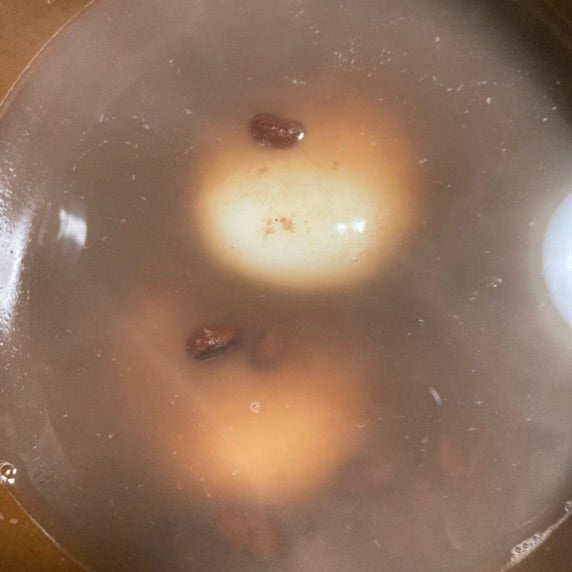
By the way, Shiho turned her kagami mochi into zenzai. It was
sweet and delicious

: Email:

Twitter: @renkanoshiho
会員の方だけ使えますMEMBERS ONLYあと少し!ALMOST THERE
登録は無料・3ステップで完了しますFree · 3 easy stepsお名前・生年月日・ご職業を入れると
会員登録が完了して、すぐ使えますFinish your profile to use this.
すでに会員の方も、ここからログインできますAlready a member? Sign in here too.
この記事、いかがでしたか?Did you enjoy this post?
ありがとうございます! / Thank you!
この記事に コメントをくれた方です
この記事に、ひとこと どうぞLeave a comment
0件のコメントまだコメントはありません。
いちばん最初の ひとことを どうぞ。
会員の方・キャストが書けます。
登録は無料・3ステップ(メール › 4桁の番号 › プロフィール)
コメントを出しました。
上に出ています。

お気に入りは会員の方だけ使えますMEMBERS ONLYあと少し!ALMOST THERE
登録は無料・3ステップで完了しますFree · 3 easy stepsお名前・生年月日・ご職業を入れると
会員登録が完了して、すぐ使えますFinish your profile to use this.
すでに会員の方も、ここからログインできますAlready a member? Sign in here too.
I plan to write about the little things in everyday life.
If we have anything in common—like shared interests or hobbies—I’d be happy if you’d stop by and take a look.

I plan to write about the little things in everyday life.
If we have anything in common—like shared interests or hobbies—I’d be happy if you’d stop by and take a look.






 Haruka Miyashita
レンカノ東京2 2026-11-27 17:37
 Haruka Miyashita
レンカノ東京2 2026-11-26 08:31

 Mio Sakura
レンカノ関西1 2026-11-25 21:26

 Seira Kuzyo
レンカノ静岡 2026-11-10 09:05
 Seira Kuzyo
レンカノ静岡 2026-11-25 08:27
 Haruka Miyashita
レンカノ東京2 2026-11-24 17:31 ・2

 Hina Sato
レンカノ関西1 2026-11-24 23:46
 Haruka Miyashita
レンカノ東京2 2026-11-24 08:30

 Kou Kitagawa
レンカノ名古屋 2026-11-23 23:43

 Shuka Minase
レンカノ名古屋 2026-11-22 20:45